When Mpox first appeared in Malawi in April 2025, fear rippled through communities. The disease, known for its painful symptoms and potential complications, threatened to disrupt lives and strain an already burdened health system. By mid-year, cases were climbing, and the outbreak had spread to 12 districts, including Lilongwe, the country’s bustling capital. Health workers faced the daunting task of containing a virus that moves silently through close contact, often in crowded urban settings.
But Malawi fought back. In October 2025, the Ministry of Health launched a bold, reactive vaccination campaign targeting those most at risk including health workers, case contacts, and key populations in high-transmission areas. The goal was simple yet urgent: stop Mpox before it spiraled out of control. What followed was a story of resilience, innovation, and community solidarity.
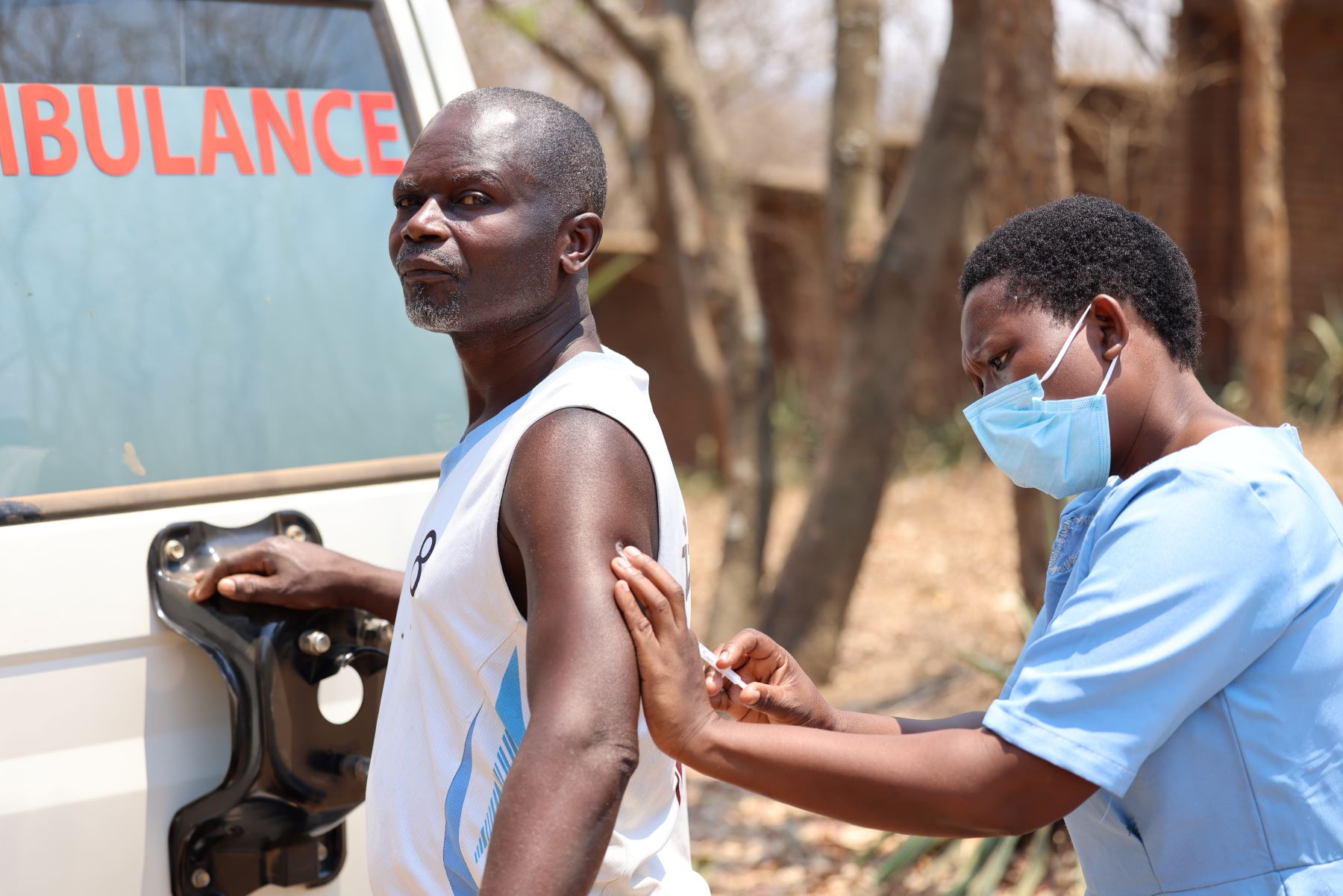
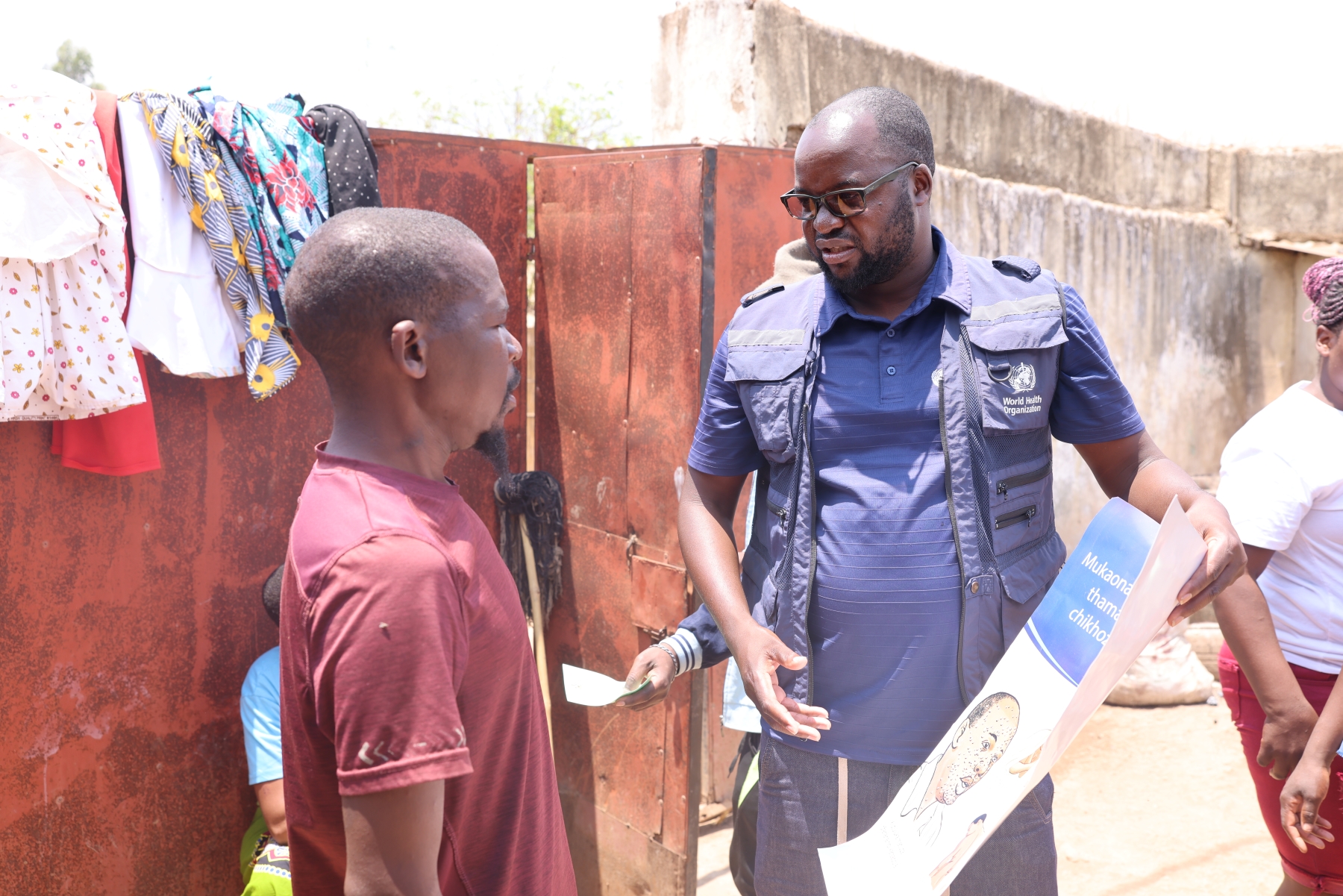
Mobile outreach teams became the heartbeat of the campaign. Traveling through busy markets, urban hotspots, and remote villages, these teams brought vaccines directly to the people who needed them most. “We couldn’t wait for people to come to us,” said one district health officer in Salima. “We had to go where the risk was highest.”
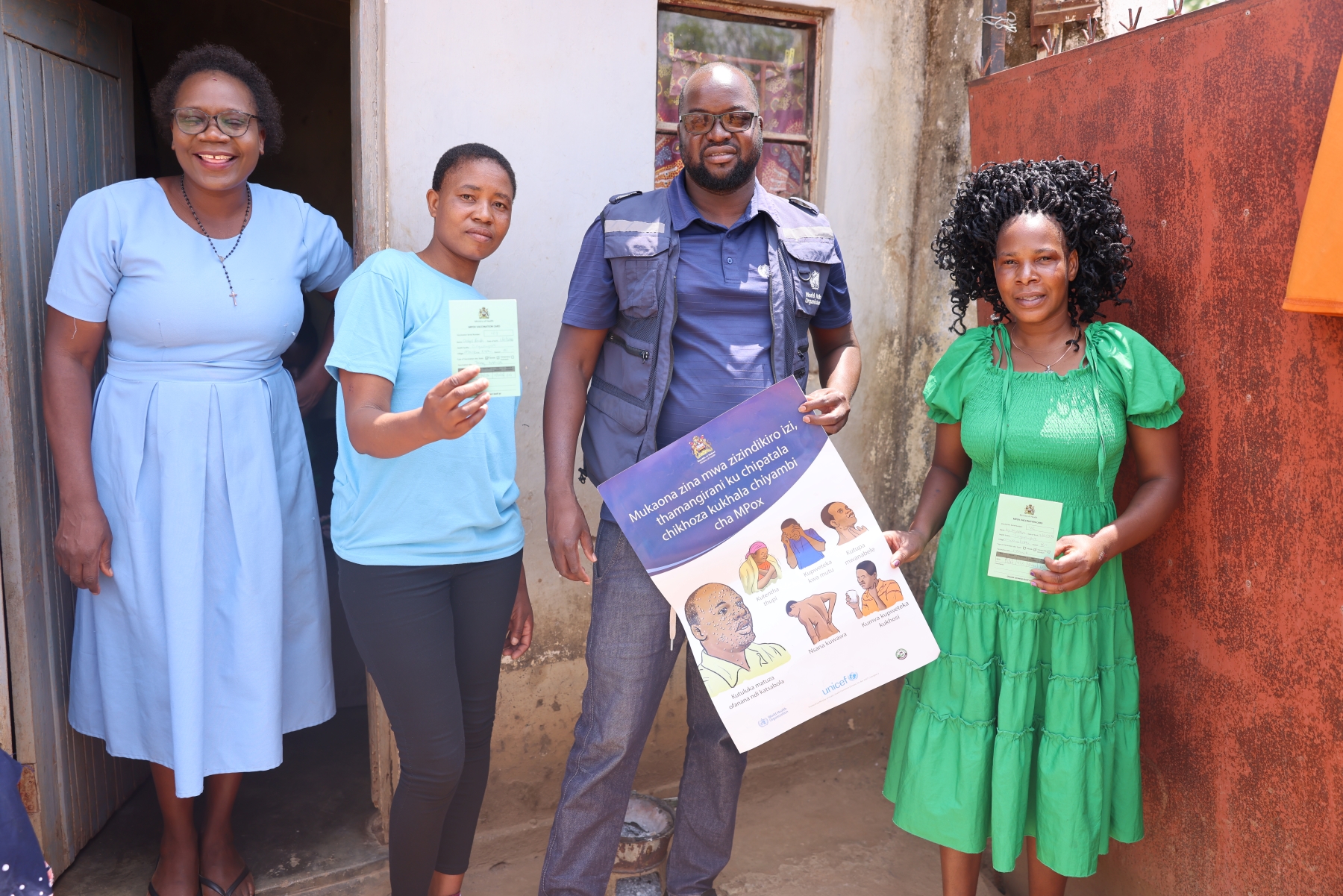
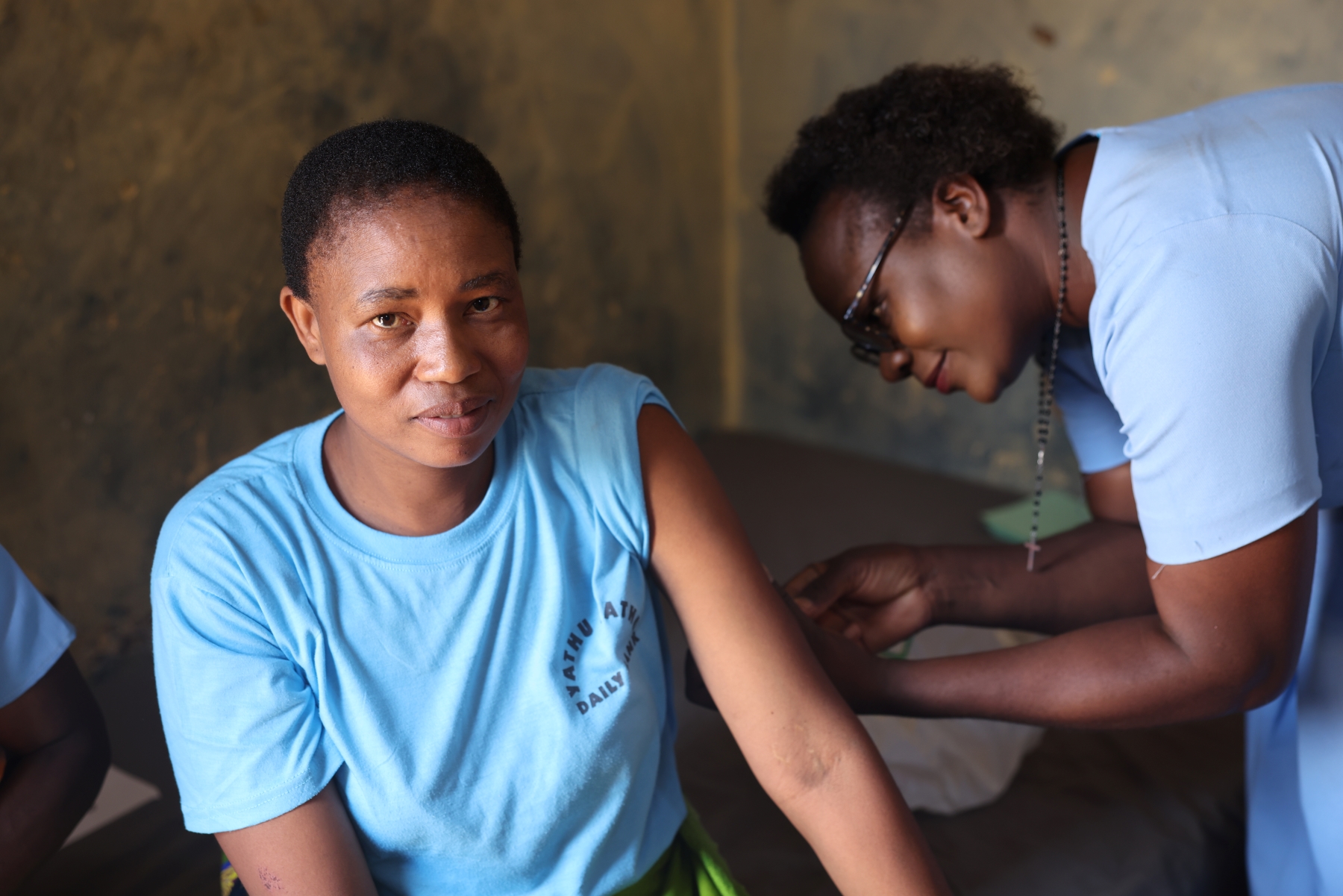
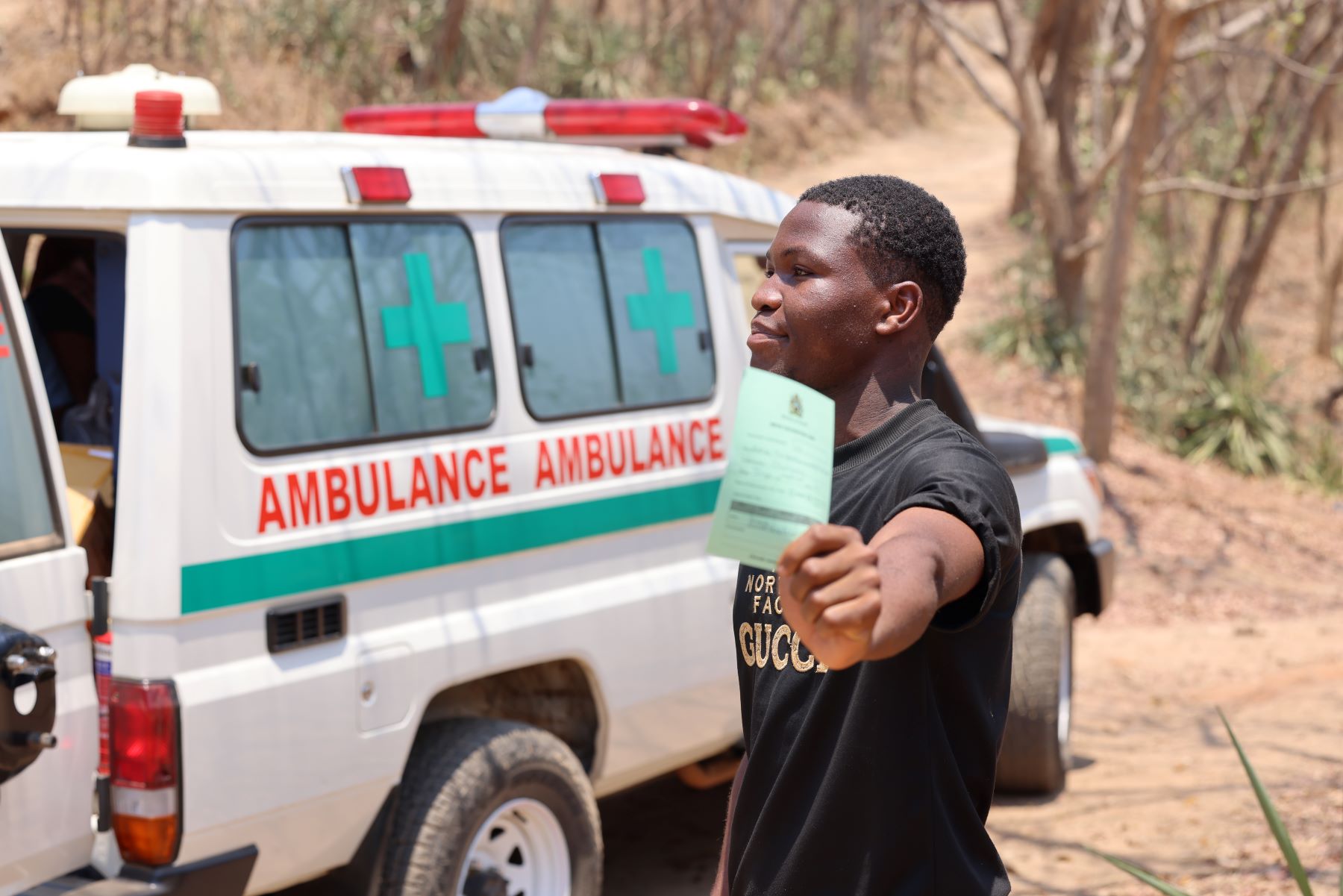
Community members welcomed the Mpox vaccination campaign with open arms. Shakina, who had received her Mpox vaccine dose in Ntcheu, encouraged others to get vaccinated without hesitation:
“This vaccine protects us, so let us all get vaccinated to safeguard our families and communities.”
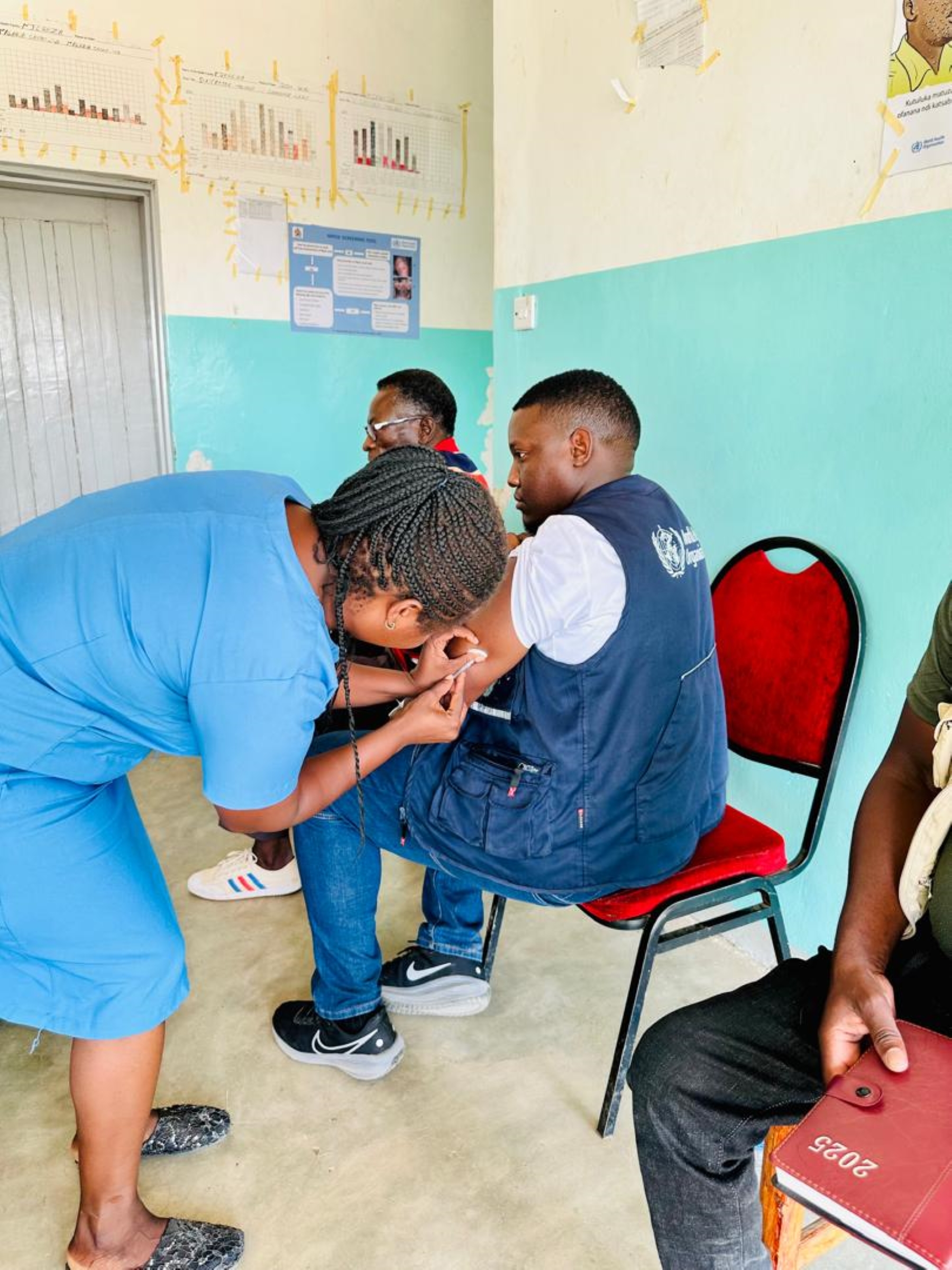
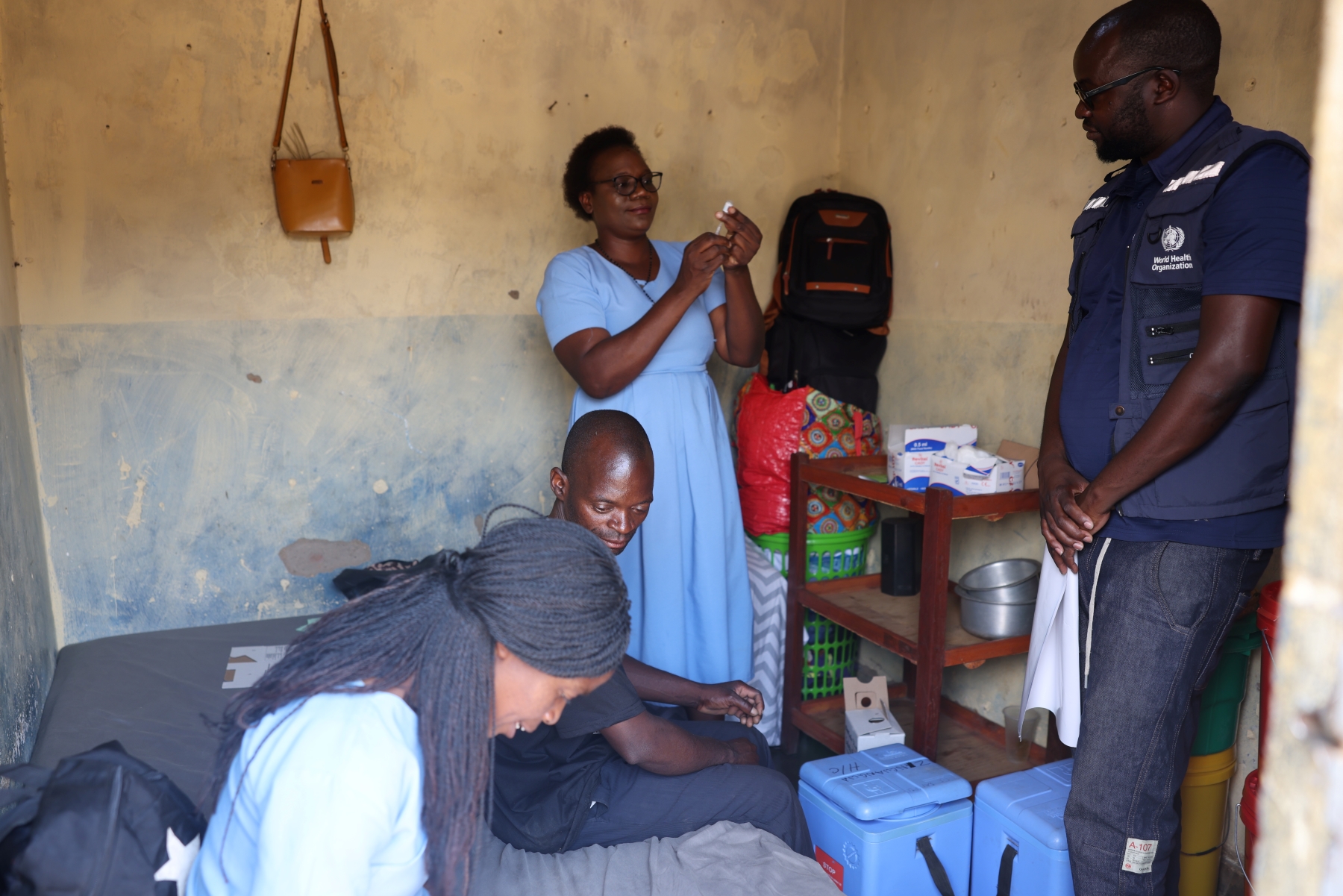
Alongside fixed health facilities and temporary posts, this approach ensured no one was left behind. In just weeks, 33,605 doses were administered (100% coverage), every single one accounted for, with zero wastage. “Managing the cold chain in the field was not easy especially during moonlight sessions,” recalled a vaccination team member, “but we knew every vial mattered. We couldn’t afford to lose a single dose.”
The campaign didn’t just stop Mpox, it strengthened the health system and proved that with planning, data, and community engagement, even the toughest outbreaks can be contained. As Malawi looks ahead, the lessons are clear: rapid action saves lives, and resilience is built through collaboration. This Mpox response is more than a public health achievement, it’s a story of people coming together to protect each other, ensuring that hope triumphs over fear.
bunyao [at] who.int (bunyao[at]who[dot]int)
+265 999 930 280